Reliable electrical systems are essential for keeping commercial properties safe, functional, and productive. Businesses depend on electricity to operate computers, lighting fixtures, refrigeration equipment, heating and cooling systems, security devices, and specialized machinery. When electrical components begin to malfunction, even a minor problem can interrupt daily operations and create unexpected maintenance expenses.
For Chicago business owners, identifying electrical faults early and arranging professional repairs can help prevent more serious equipment failures. Understanding common electrical problems, warning signs, and preventive maintenance practices allows businesses to maintain dependable electrical infrastructure while supporting a safer workplace.
Why Timely Electrical Repairs Matter for Commercial Properties
Commercial buildings often contain complex electrical systems designed to support different types of equipment.
These installations may include distribution panels, circuit breakers, electrical wiring, transformers, disconnecting devices, and specialized circuits.
When components become damaged or deteriorated, they can affect the performance and safety of connected equipment.
Timely electrical repairs offer several important advantages:
- Help reduce unexpected business interruptions.
- Identify potentially dangerous electrical faults.
- Support dependable operation of commercial equipment.
- Reduce the likelihood of further damage to electrical components.
- Improve workplace electrical safety.
- Support organized property maintenance.
- Help businesses prepare for future electrical improvements.
Qualified electricians can identify underlying problems and recommend corrective measures appropriate for the installation.
Common Electrical Problems in Commercial Buildings
Electrical faults can occur because of equipment aging, environmental exposure, improper installation, or excessive electrical demand.
Frequently Tripping Circuit Breakers
Circuit breakers are designed to interrupt excessive current and certain electrical faults.
Repeated breaker trips may indicate overloaded circuits, defective machinery, or damaged wiring.
Business owners should arrange professional troubleshooting instead of repeatedly resetting protective devices.
Loose Electrical Connections
Loose connections can generate excessive heat and affect the reliability of electrical equipment.
These problems may occur in distribution equipment, outlets, switches, or machinery connections.
Damaged Electrical Wiring
Commercial wiring can become damaged through physical impacts, vibration, moisture exposure, or unsuitable modifications.
Damaged conductors and deteriorating insulation require professional attention.
Faulty Electrical Outlets
Loose, cracked, or discolored outlets can create unreliable connections and potential safety concerns.
Malfunctioning Lighting Circuits
Lighting interruptions may result from damaged wiring, defective fixtures, incompatible controls, or problems with protective devices.
Overheating Electrical Equipment
Excessive heat can indicate electrical overloading, deteriorating connections, or equipment faults.
Professional investigation is necessary to identify the cause.
Warning Signs That Require Immediate Electrical Attention
Some electrical problems produce noticeable symptoms before equipment failure occurs.
Burning Odors
A burning smell near electrical equipment may indicate overheated wiring or damaged insulation.
This condition requires urgent professional attention.
Electrical Sparks
Unexpected sparking from outlets, switches, or distribution equipment may indicate dangerous electrical faults.
Affected equipment should not be used until a qualified professional has evaluated it.
Unusual Electrical Sounds
Buzzing, crackling, or popping noises may indicate loose connections or other electrical problems.
Repeated Equipment Shutdowns
Unexpected shutdowns may result from electrical faults, inadequate power supply arrangements, or defective equipment.
Visible Discoloration
Darkened outlets, damaged enclosures, or unusual marks around electrical connections can indicate overheating.
Electrical Shocks
A shock or tingling sensation when touching electrical equipment may indicate a dangerous fault.
The affected equipment should be taken out of service until professionally assessed.
When Should Businesses Arrange Professional Electrical Repairs?
Commercial property managers should seek qualified electrical assistance when equipment repeatedly malfunctions, protective devices trip frequently, or visible damage appears.
A professional Electrical Repair Service in Chicago can help businesses diagnose damaged wiring, inspect electrical connections, evaluate protective equipment, and determine suitable repairs for commercial installations.
Licensed electricians can also assess whether existing infrastructure remains appropriate for the building’s operational requirements.
Not every electrical problem requires replacing major distribution equipment. Some faults can be corrected through targeted component repairs, compatible replacements, or suitable wiring modifications.
How Electrical Problems Affect Business Operations
Electrical faults can create disruptions across different commercial activities.
Interrupted Computer Operations
Unstable electrical connections may interrupt computers, networking equipment, and other electronic systems.
Refrigeration Equipment Problems
Restaurants, grocery stores, and other businesses depend on reliable electricity for refrigeration.
Unexpected interruptions can affect temperature-sensitive inventory.
Lighting Failures
Poor lighting can reduce visibility and create inconvenience for employees and customers.
Heating and Cooling Interruptions
Electrical faults affecting HVAC equipment can disrupt indoor comfort and business operations.
Machinery Downtime
Industrial and commercial machinery may stop operating when electrical faults occur.
Security System Interruptions
Electrical problems can affect surveillance equipment, access control systems, and other connected security devices.
Timely troubleshooting helps businesses identify the causes of these interruptions.
Understanding Electrical Circuit Overloading in Commercial Buildings
Circuit overloading occurs when electrical demand exceeds a circuit’s designed current capacity.
High-Powered Commercial Equipment
Cooking appliances, machinery, electric heating equipment, and refrigeration systems can draw substantial electrical current.
Multiple Devices on Shared Circuits
Operating numerous appliances on an inadequately rated circuit can cause protective breakers to trip.
Additional Business Equipment
Business expansion may introduce new electrical loads that existing circuits were not designed to accommodate.
Improper Circuit Modifications
Unsuitable wiring changes can create electrical safety concerns.
Professional Load Calculations
Qualified electricians can evaluate electrical demand and determine whether existing circuits are appropriate for connected equipment.
Common Electrical Problems in Different Business Environments
Different commercial properties have unique electrical requirements.
Office Buildings
Offices depend on reliable electricity for computers, printers, communication devices, lighting, and climate-control equipment.
Electrical faults may interrupt employee productivity and business communication.
Restaurants
Restaurants operate cooking appliances, refrigeration equipment, ventilation systems, and lighting throughout the day.
Damaged connections or overloaded circuits can affect essential equipment.
Retail Stores
Retail businesses use electrical systems for payment terminals, product displays, security equipment, and lighting.
Unexpected interruptions may interfere with customer service.
Warehouses
Warehouses often operate conveyor systems, machinery, lighting, and connected inventory equipment.
Electrical reliability is important for maintaining efficient operations.
Hotels
Hospitality properties depend on electrical infrastructure for guest rooms, elevators, heating and cooling systems, and building management equipment.
Healthcare Offices
Medical offices may operate specialized equipment requiring dependable electrical connections and appropriate protective measures.
How Professional Electricians Diagnose Commercial Electrical Faults
Electrical troubleshooting involves several technical steps.
Initial Safety Assessment
An electrician reviews reported symptoms and identifies potential hazards before beginning diagnostic work.
Electrical Equipment Inspection
Distribution panels, wiring connections, and protective devices are examined for visible signs of damage.
Circuit Identification
Affected circuits are identified to determine which electrical loads and connections may be involved.
Electrical Testing
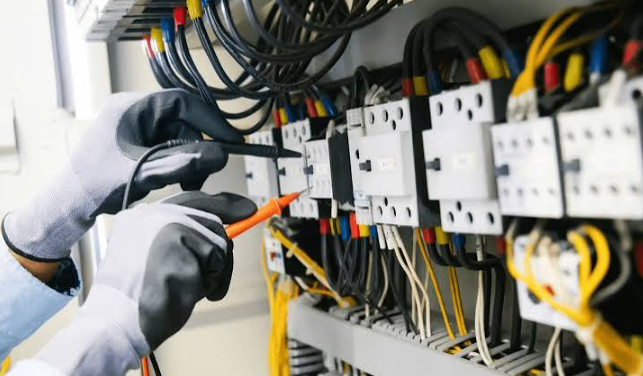
Qualified professionals use suitable testing equipment to evaluate relevant electrical conditions.
Fault Identification
Test results and inspection findings help determine the underlying cause of the problem.
Repair Recommendations
The electrician recommends appropriate repairs, component replacements, or other necessary corrective measures.
Why Circuit Breaker Problems Should Not Be Ignored
Circuit breakers provide important protection against excessive electrical current.
Repeated Breaker Trips
Frequent trips may indicate overloaded circuits, damaged wiring, or defective electrical equipment.
Incorrect Breaker Ratings
Protective devices must be correctly rated for the conductors and equipment they protect.
Incompatible Components
Replacement breakers must be compatible with the distribution equipment in which they are installed.
Deteriorating Protective Devices
Aging or damaged breakers may require professional evaluation and replacement.
Professional Testing
Qualified electricians can assess the condition and suitability of protective equipment using appropriate methods.
Electrical Repair Considerations During Commercial Renovations
Renovation projects may reveal hidden electrical defects or introduce additional electricity demands.
Adding New Workstations
Additional computers, monitors, and office equipment may require new outlets or circuits.
Installing Commercial Appliances
New kitchen or refrigeration equipment can introduce substantial electrical loads.
Expanding Business Facilities
Additional rooms, storage areas, and operating spaces may require electrical modifications.
Replacing Lighting Equipment
Modern lighting systems may require compatible drivers, switches, and control devices.
Installing New Machinery
Commercial machinery may require dedicated electrical circuits and suitable disconnecting equipment.
Professional planning helps ensure that modifications are compatible with existing infrastructure.
The Importance of Electrical Safety in Commercial Workplaces
Electrical safety is a shared concern for business owners, employees, contractors, and visitors.
Safe Equipment Operation
Electrical devices should be operated according to manufacturer instructions.
Suitable Protective Devices
Circuit breakers and other protective equipment must be appropriate for the installation.
Accessible Electrical Equipment
Distribution panels and required disconnecting devices should remain accessible to authorized personnel.
Proper Grounding and Bonding
Grounding and bonding arrangements are important components of electrical safety.
Employee Hazard Awareness
Employees should know how to recognize damaged electrical equipment and report potential hazards.
Qualified Repairs
Internal electrical modifications should be completed only by appropriately qualified professionals.
How Chicago Weather Can Affect Commercial Electrical Equipment
Chicago experiences seasonal weather conditions that can influence electricity consumption and equipment maintenance.
Winter Heating Demand
Electric heating equipment may increase electrical loads during colder months.
Summer Cooling Requirements
Air conditioning systems can contribute significantly to electricity demand during warm weather.
Rain and Snow Exposure
Outdoor electrical equipment must be suitable for expected environmental conditions.
Basement Water Intrusion
Heavy rainfall, melting snow, and plumbing problems can expose electrical equipment to moisture.
Temperature Changes
Electrical equipment should be installed and maintained according to its specified operating conditions.
Professional inspections can help identify weather-related deterioration.
Common Electrical Repair Mistakes Businesses Should Avoid
Improper electrical practices can increase safety risks and maintenance costs.
Ignoring Repeated Electrical Interruptions
Recurring problems may indicate an unresolved fault.
Installing Oversized Circuit Breakers
An incorrectly rated breaker may fail to provide appropriate protection for connected wiring.
Using Damaged Equipment
Machinery with defective cords, damaged plugs, or exposed conductors should be removed from service until evaluated.
Delaying Necessary Repairs
Known electrical hazards should be addressed promptly.
Overloading Electrical Connections
Extension cords and power strips should not be used beyond their rated capacities.
Attempting Unqualified Electrical Modifications
Commercial electrical installations can contain dangerous energized components even after certain switches are turned off.
Repairs involving internal wiring and distribution equipment should be performed by qualified electricians.
Preventive Maintenance Tips for Chicago Businesses
Routine maintenance can help identify developing electrical problems.
Schedule Professional Inspections
Qualified electricians can evaluate wiring conditions, protective devices, and distribution equipment.
Monitor Electrical Performance
Repeated breaker trips, unusual sounds, and unexplained equipment failures should receive professional attention.
Keep Equipment Areas Accessible
Electrical rooms and distribution equipment should remain accessible for authorized maintenance.
Protect Equipment From Moisture
Water intrusion can damage components and create hazardous conditions.
Maintain Accurate Circuit Labels
Clearly identified circuits simplify troubleshooting and repair work.
Keep Maintenance Records
Inspection reports, repair documentation, and equipment histories help property managers organize electrical maintenance.
Plan for Future Electricity Requirements
Businesses introducing new machinery or appliances should evaluate existing electrical capacity before installation.
Long-Term Benefits of Timely Commercial Electrical Repairs
Prompt repairs help businesses maintain dependable electricity distribution and reduce avoidable operational disruptions.
Professional troubleshooting can identify deteriorating components before they cause more extensive equipment damage.
Suitable circuit protection and properly maintained wiring support the safe operation of commercial appliances and machinery.
Regular maintenance also helps business owners prepare for future renovations and equipment installations.
By maintaining accurate records and addressing problems early, commercial properties can improve the long-term reliability of their electrical infrastructure.
Conclusion
Commercial electrical systems require proper maintenance to support dependable business operations. Damaged wiring, overloaded circuits, deteriorating connections, and defective protective devices can create interruptions and potentially dangerous conditions.
Chicago business owners should recognize electrical warning signs, arrange qualified troubleshooting, and address necessary repairs promptly.
With professional electrical inspections, suitable replacement components, preventive maintenance, and responsible equipment use, commercial properties can maintain safer workplaces and more reliable electrical systems while supporting changing operational requirements.